Guide
How should a weighted vest fit for walking?
Fit matters more than weight for comfort. A well-fitted vest feels like part of you; a poorly fitted one bounces, rubs and pulls.
4 min read
Where it should sit
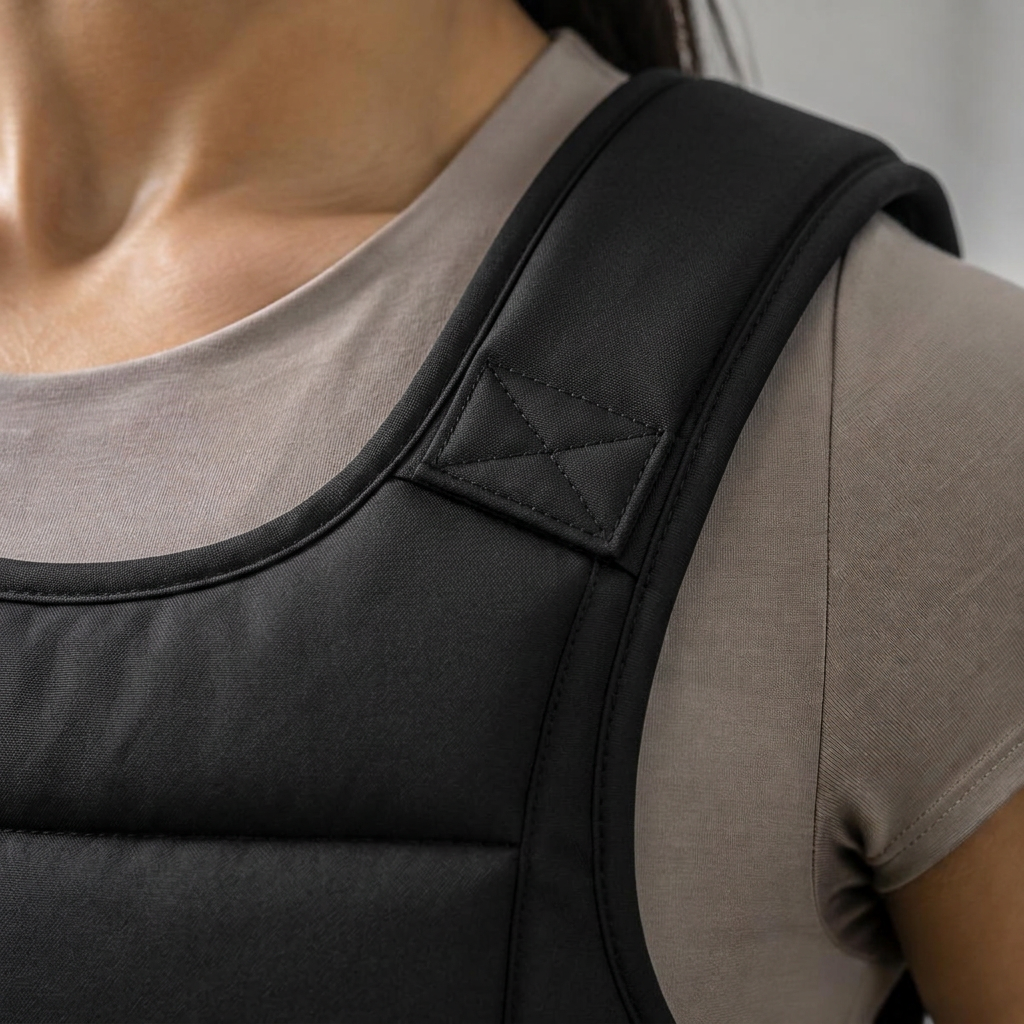
A walking vest should sit high on the torso, close to the body, with the weight spread evenly front and back. It should not hang low on the stomach or lower back.
How tight
Snug enough that it doesn't move when you walk briskly, loose enough that you can take a full, comfortable breath. If you can't breathe deeply, loosen it.
Stopping the bounce
Bouncing usually means the vest is too loose, sits too low or carries its weight unevenly. Tighten the side adjusters first, then check the vest sits high enough.
Common fit problems
- Pressure on the shoulders — look for broad, padded straps and check the vest isn't too loose at the sides
- Rubbing under the arms — the vest may be too wide or sitting too low
- Leaning forward — weight may be too front-heavy or simply too heavy
- Restricted arm swing — the armholes or straps may be too narrow
General information only, not medical advice. Last updated 2026-09-26.